
Articles on Health Equity and Public Health
In these articles, I share research, field reflections, and practical insights on health equity and the systems that shape care for underserved communities. Drawing on my clinical work in rural Congo and my research in the United States, I write about the questions that guide my work: who receives timely, respectful care, who is left behind, and what it takes to change that.
Each article aims to translate evidence into language that is useful for health professionals, students, policymakers, and community members alike. For my peer-reviewed work, visit my Publications and Research page, and for stories from the field, explore the Voices from the Field podcast.
This qualitative study examined how private practice, hospital-based, and community-based doula models function within U.S. maternity care systems, identifying systemic barriers to their integration and proposing actionable strategies, including hybrid service models, public health partnerships, and Medicaid coverage expansion, to improve accessibility and reduce maternal health disparities for marginalized populations.
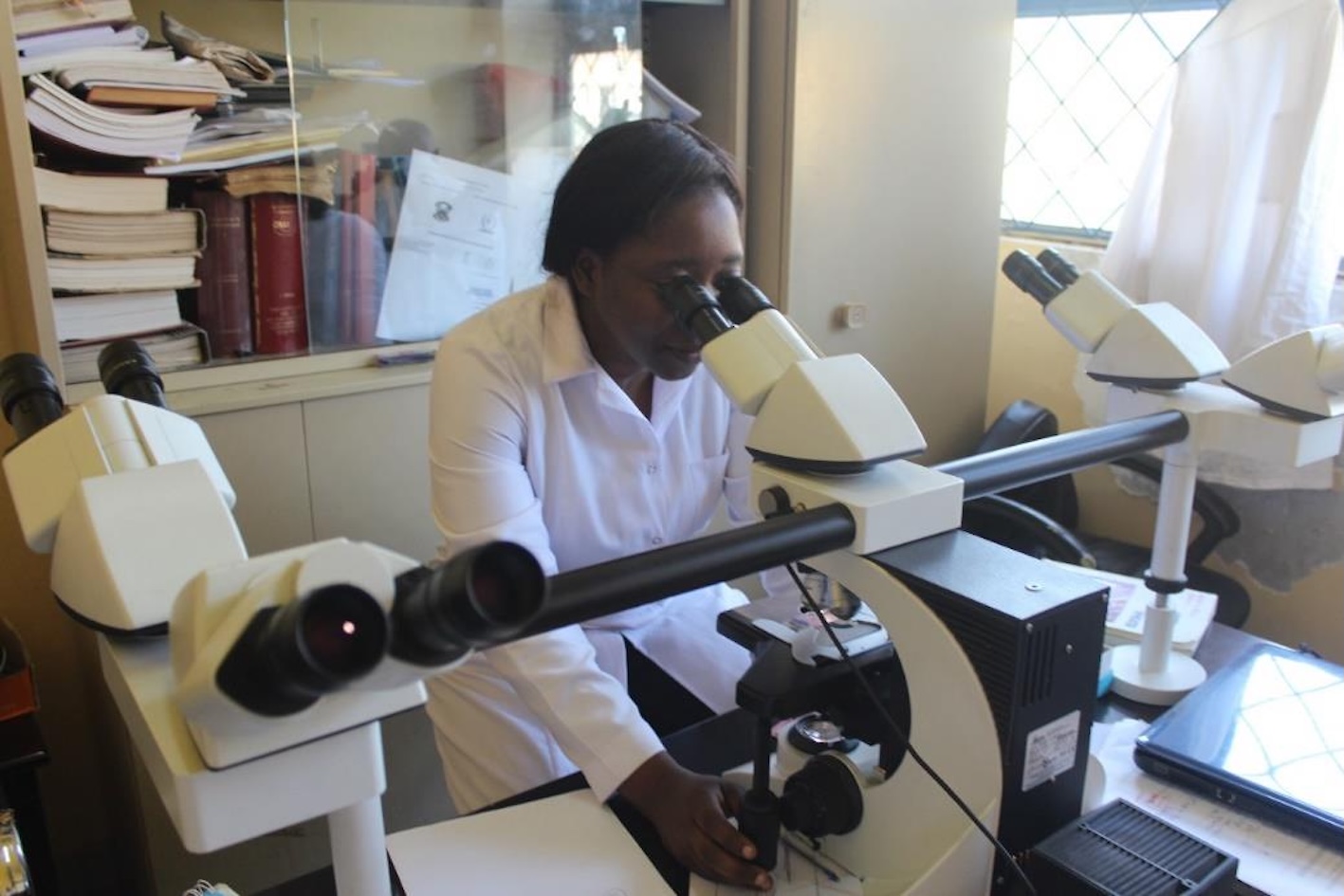
This retrospective case study examined seven patients who developed Marjolin's Ulcer, a rare skin cancer arising from old burn scars, over a 20-year period in Brazzaville, Congo, revealing that all cases originated from inadequately treated thermal burns with an average latency period of 34 years before malignant transformation, and the findings underscore the critical importance of quality burn care and early detection to prevent this highly fatal condition.
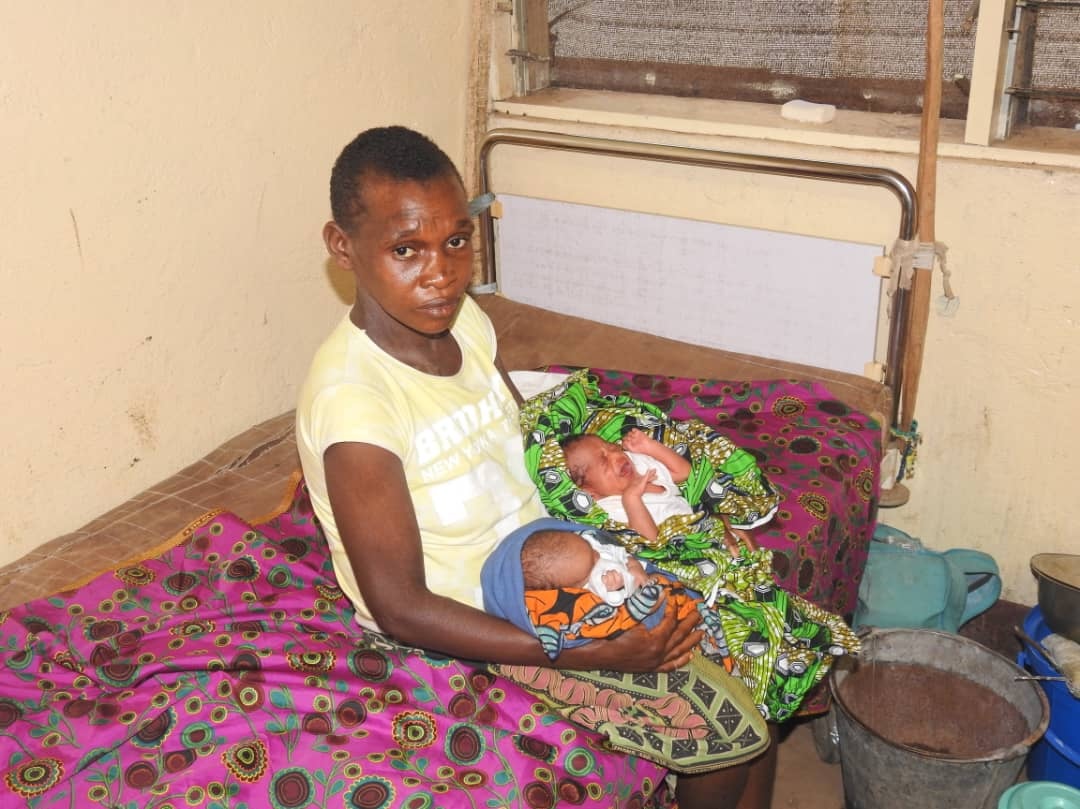
This paper examines the barriers to maternal health services in Betou, a remote rural locality in the northern Republic of Congo, where geographic isolation, inadequate transportation, poor road infrastructure, and severe healthcare workforce shortages contribute to a maternal mortality rate of 696 per 100,000 live births, and less than half of pregnant women receive even one prenatal consultation.
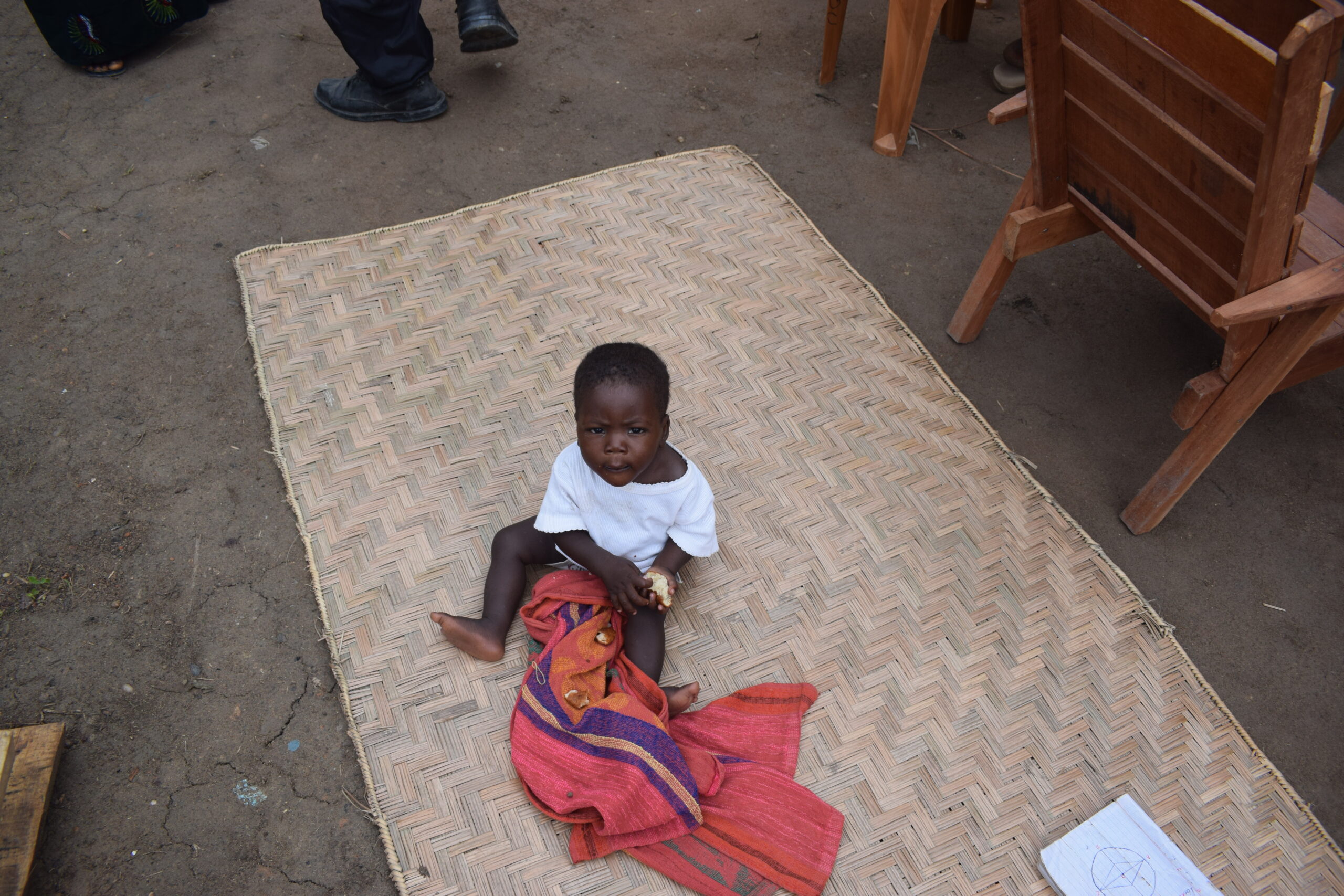
This study examined the relationship between food insecurity and child development among families in Omaha and Lincoln, Nebraska, finding that food insecurity was significantly associated with worse developmental outcomes even after accounting for family income, and that while a stimulating home learning environment positively predicted child development, it could not buffer the harmful effects of inadequate nutrition on young children's growth.
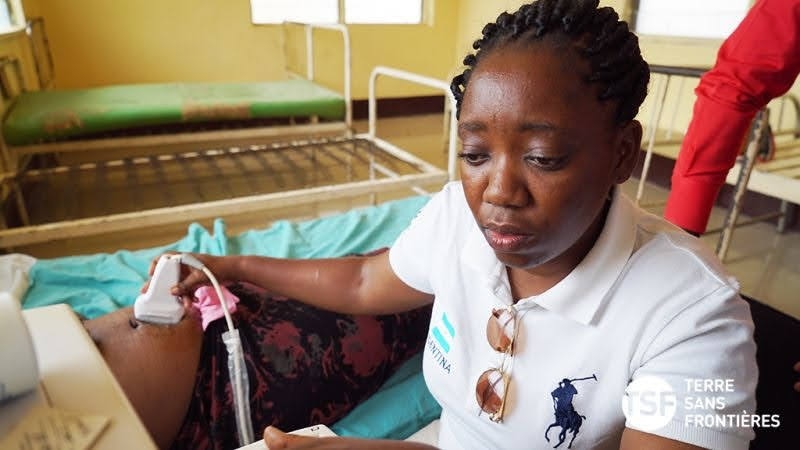
This qualitative study examined how private practice, hospital-based, and community-based doula models function within U.S. maternity care systems, identifying systemic barriers to their integration and proposing actionable strategies, including hybrid service models, public health partnerships, and Medicaid coverage expansion, to improve accessibility and reduce maternal health disparities for marginalized populations.