This study examined the relationship between food insecurity and child development among families in Omaha and Lincoln, Nebraska, finding that food insecurity was significantly associated with worse developmental outcomes even after accounting for family income, and that while a stimulating home learning environment positively predicted child development, it could not buffer the harmful effects of inadequate nutrition on young children’s growth.
Abstract
Food insecurity is a well-known risk factor for delayed child development. Still, the contribution of other factors, such as income, home learning environment (HLE), and family socio-demographic factors, remains to be determined. Therefore, the study aimed to determine the association between food insecurity and child development and assess the role of income, HLE, and family socio-demographic factors in that association. We used secondary data from the Nebraska Early Childhood Study, a cross-sectional study of caregivers of children under five years old in Omaha and Lincoln. Child development, food insecurity, and HLE were measured using a caregiver report of child development. We used multiple regression to analyze the data.
The results showed that food insecurity was negatively related to developmental outcomes (Est = -0.217, SE = 0.091, ES = -0.109, p =.018) even after adjusting for Income (Est = -0.222, SE = 0.092, ES =-0.112, p =.048). HLE was positively associated with children’s developmental outcomes after controlling for income, child’s age, sex, race, and ethnicity (Est = 0.376, SE = 0.092, ES = 0.198, p < .001). HLE did not moderate the association between food insecurity and children’s developmental outcomes (Est = -0.287, SE = 0.185, ES = -0.095, p = .121). These results indicate that even if a child has access to a stimulating HLE, they may still experience developmental setbacks if they do not have enough nutritious food.
Overall, the study found that addressing food insecurity and promoting a stimulating HLE is essential in improving child developmental outcomes, especially in high-risk populations. Further research is needed to fully understand the complex factors influencing child development in food-insecure families. This study adds to the existing literature on the relationship between food insecurity, HLE, and child development and provides valuable insights for policymakers, educators, and healthcare professionals.
Key Takeaways
The study confirms that food insecurity has a direct negative impact on child developmental outcomes, independent of family income, meaning that even when financial resources are accounted for, the lack of consistent access to nutritious food continues to harm children’s physical, cognitive, and social-emotional growth. Notably, about 35% of the Nebraska families in the study experienced some level of food insecurity, with approximately 25% lacking health insurance and 40% without a primary care provider, highlighting the vulnerability of the population studied.
A stimulating home learning environment, characterized by access to books, educational activities, and engaged parent-child interactions, was positively associated with better developmental outcomes, reinforcing the critical role that caregivers play in fostering early childhood development. However, a key finding was that even the most enriching home learning environment could not compensate for the developmental harm caused by food insecurity, suggesting that children need both adequate nutrition and cognitive stimulation to thrive.
The research underscores that addressing child development requires a multifaceted approach that simultaneously targets food access and home learning environments, particularly for low-income families who face compounding barriers. Policy recommendations include expanding access to federal food assistance programs like SNAP and WIC, increasing investment in early childhood education, and addressing structural factors contributing to poverty such as affordable housing and healthcare access.
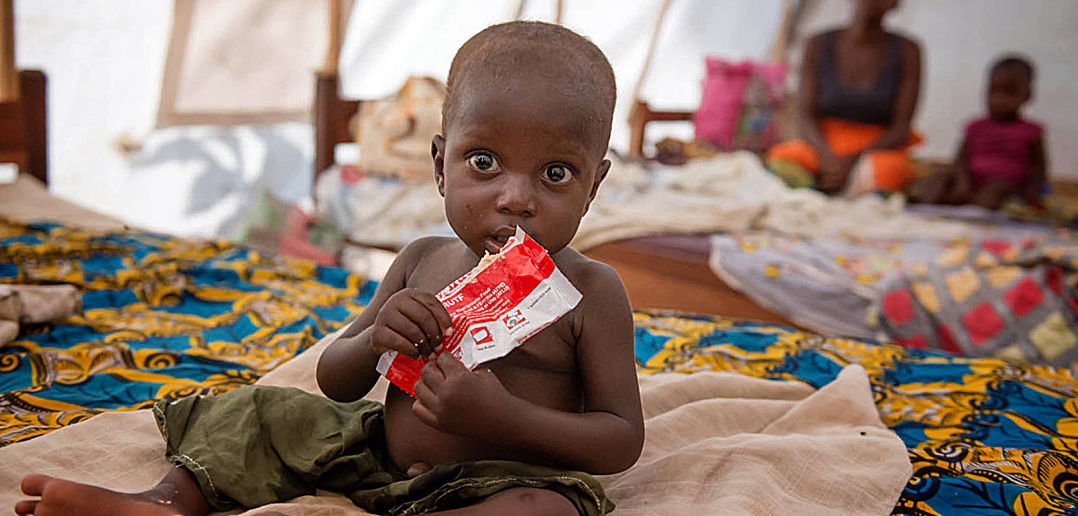
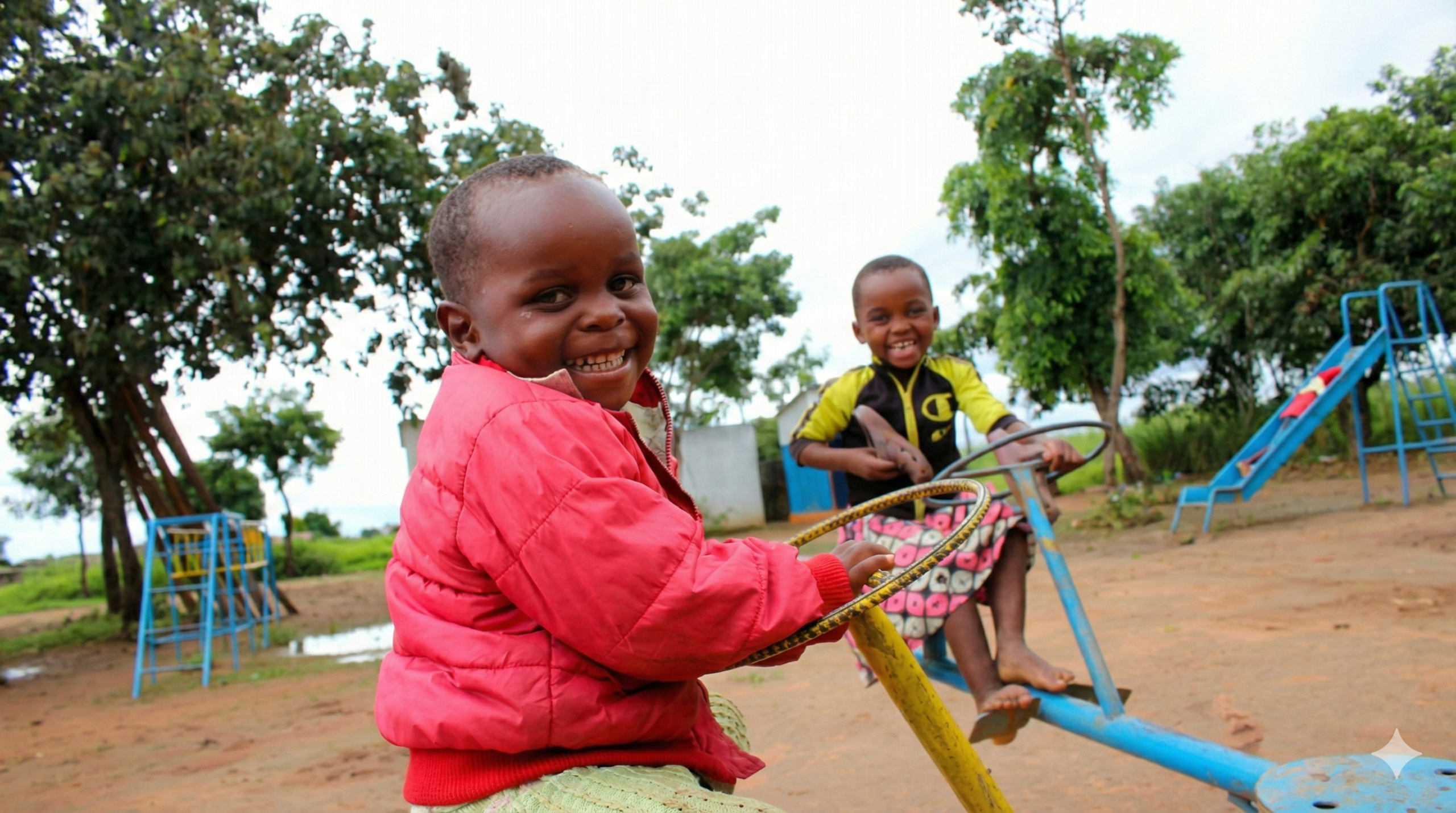

“Even if a child has access to books, educational resources, and other enriching activities at home, they may still experience developmental setbacks if they do not have enough nutritious food.”

By Dr Grâce Mabiala-Maye
Physician and Maternal Health Researcher